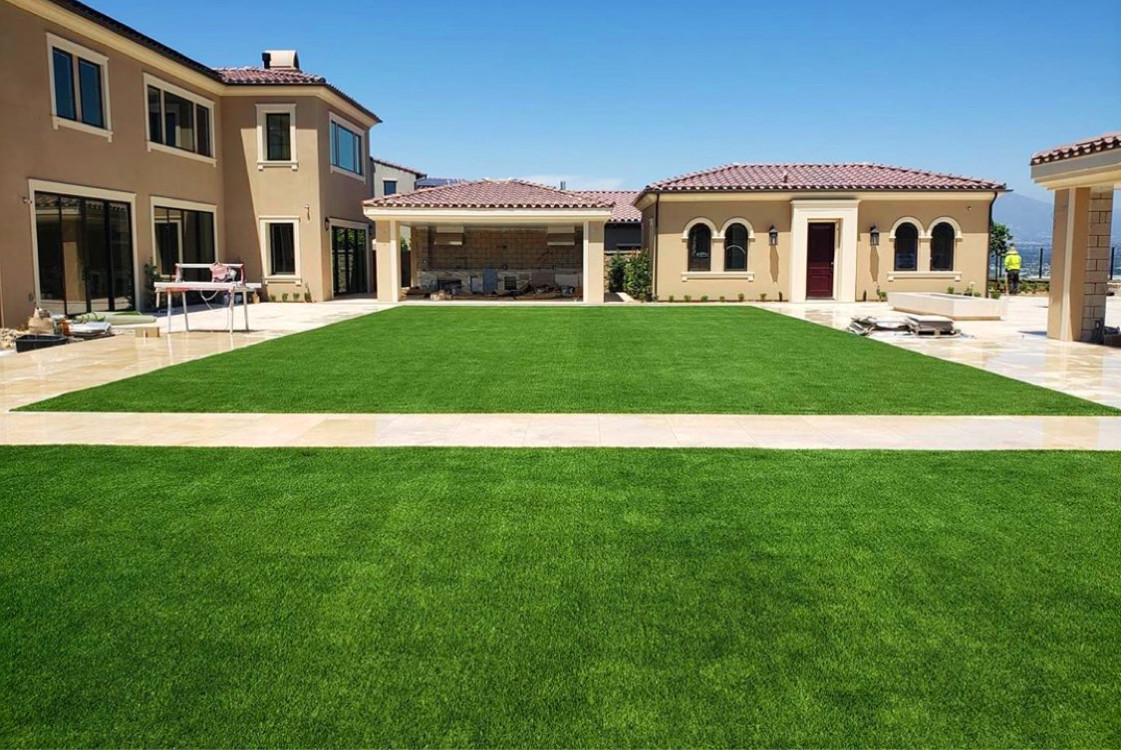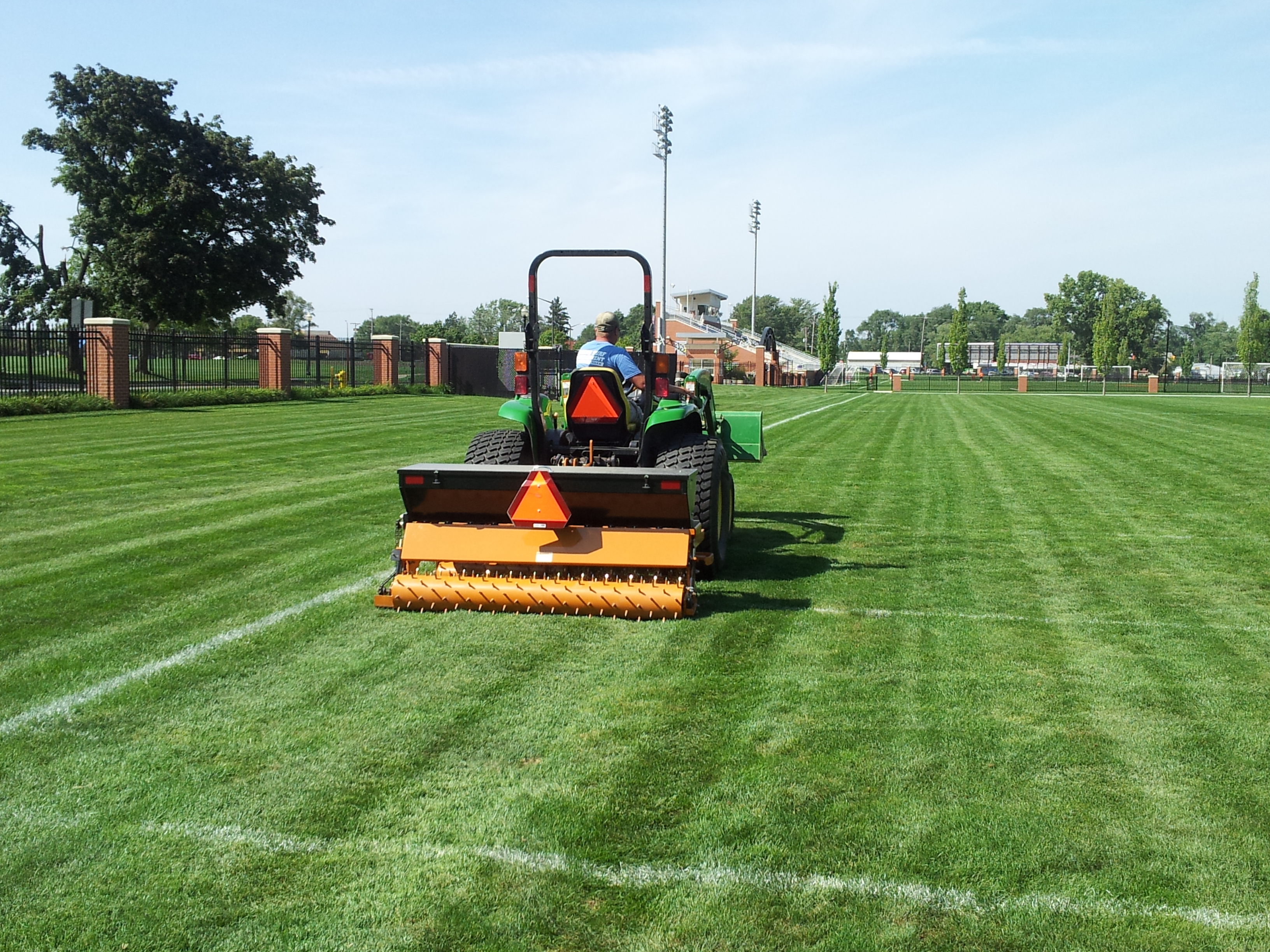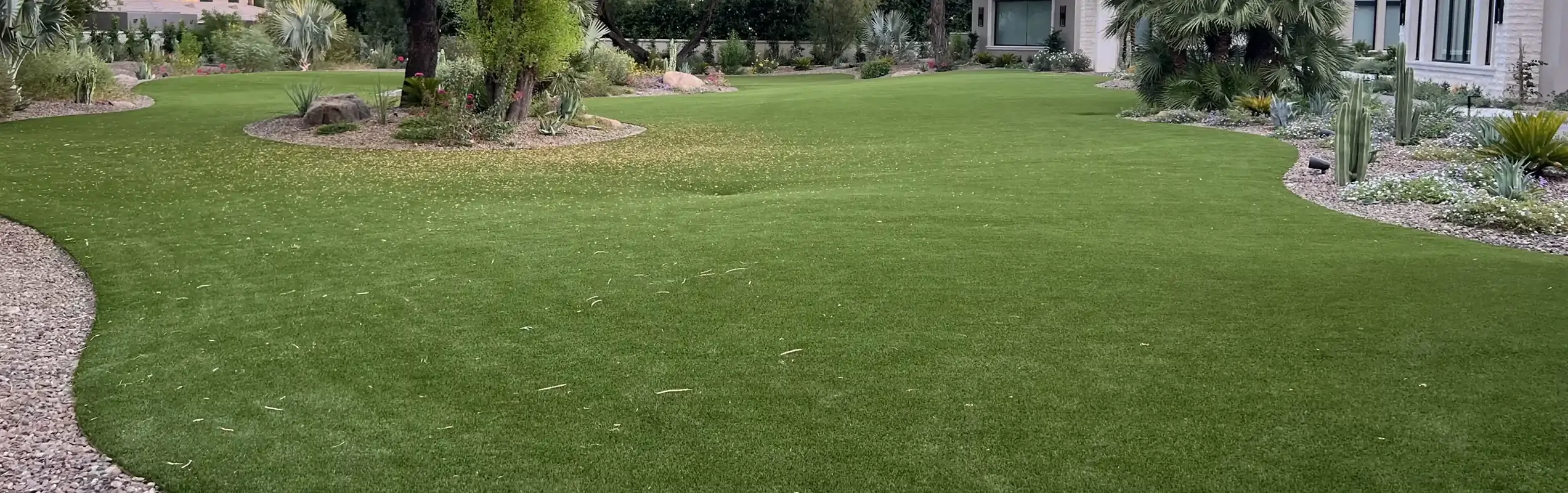
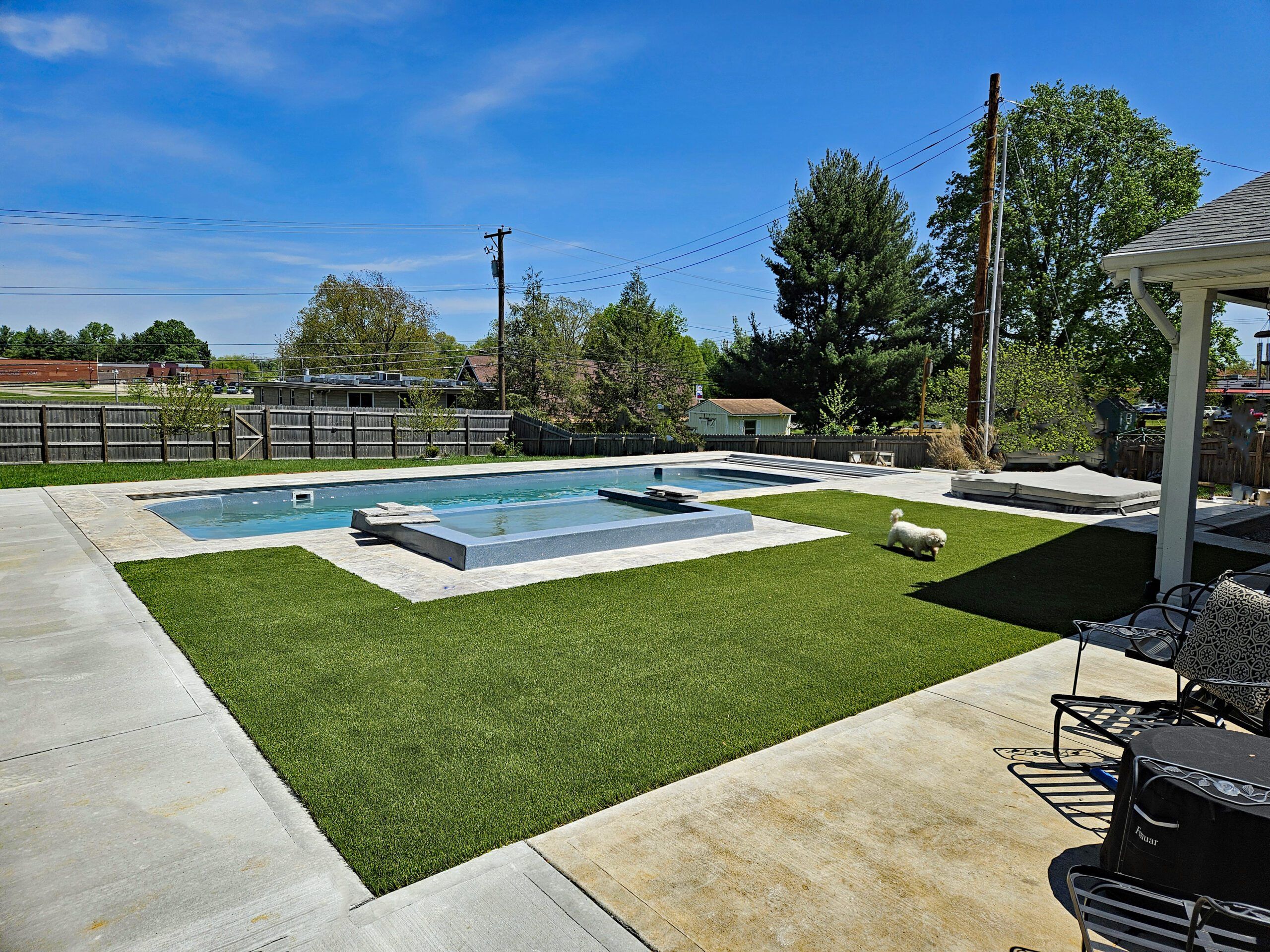
A turf consultation in the Humble and Lake Houston corridor is not a sales visit. It is a diagnostic exercise. I walk the property, read the grade, map where water goes after a storm, assess the pool deck condition, evaluate the subgrade, and look at the flood zone designation before I say anything about turf product, pile height, or square footage price.
I came to this business from pool construction, and the habit of assessing before recommending is baked into how we work. In pool construction, you don't specify equipment or material before you understand the site — the soil bearing capacity, the water table, the drainage approach. The same discipline applies to turf installations in the Lake Houston watershed, where the site conditions — Bear Branch proximity, clay heave cycle, post-Harvey subgrade disruption, pool deck transition geometry — are as variable as any pool construction site I managed.
The consultation visit typically runs 30 to 60 minutes for a standard residential pool surround, longer for larger or more complex properties. We cover: the drainage map of the property and where we see potential issues; the pool deck transition options and what each looks like at the coping interface; turf product considerations specific to the shade conditions and pool tile color; and the realistic sequence of work — what gets done in what order and why.
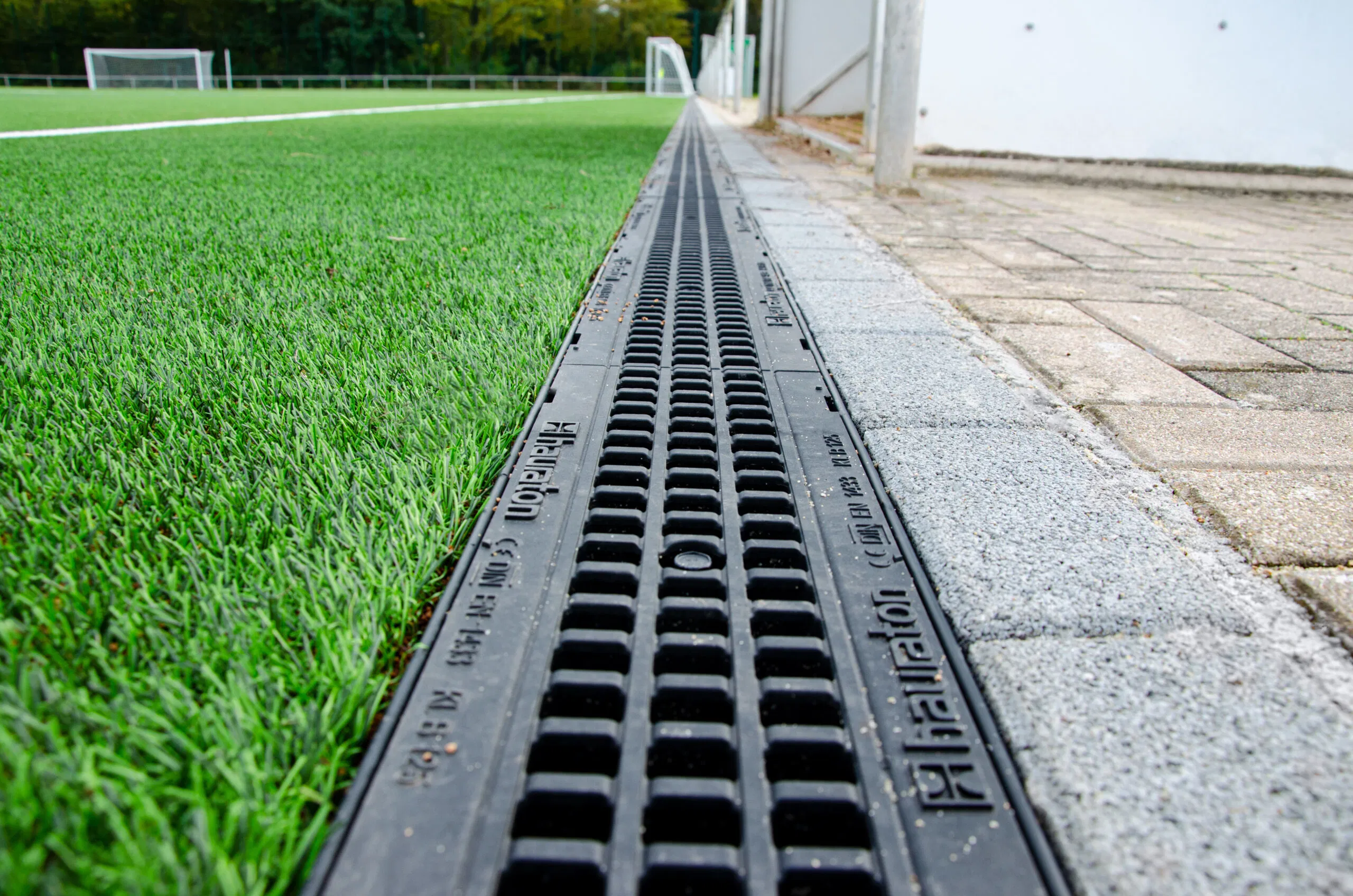
The estimate that follows is itemized. We separate drainage infrastructure from base preparation from turf material and installation from edge restraint, so the homeowner can see exactly what each component costs and understand why it is or isn't included. In flood-adjacent properties where drainage infrastructure is a significant portion of the project cost, that transparency matters — homeowners deserve to understand that they are paying for an engineered drainage system, not just a surface replacement.
We also give honest assessments of what turf cannot do. In the Bear Branch floodway, in the East Fork floodplain, in the San Jacinto corridor properties that see periodic river overflow — turf with proper drainage improves the yard's performance through storm events dramatically. It does not make those properties flood-proof. We say that directly during consultations rather than allowing homeowners to make installation decisions based on unrealistic expectations.